Why NetSuite is a Better Choice Than SAP for Enterprise-Level Professional Services Agencies
You're evaluating ERP systems for your business. SAP keeps coming up because it's the enterprise standard. NetSuite keeps coming up because it's built for cloud and flexibility. Now you're stuck figuring out which one actually solves your problems without creating new ones. This guide walks through what each system does well, where each falls short, and the decision framework that helps you pick the right one. You'll learn when NetSuite's flexibility matters more than SAP's depth, when SAP's capabilities justify the complexity, and what implementation actually looks like for businesses managing projects, revenue recognition, and complex financials. If you're evaluating ERPs and trying to cut through vendor pitches to understand which platform fits your business, this is your roadmap.
Which ERP do you need?
You're running a business that's outgrown QuickBooks or whatever you've been limping along with. Now you need an ERP that can handle project accounting, revenue recognition, resource planning, and billing without breaking.
SAP and NetSuite are the two names that keep coming up.
SAP has the enterprise reputation. It's what Fortune 500 companies use. It handles massive complexity.
NetSuite is cloud-native, flexible, and built for businesses that need to move fast without heavy IT infrastructure.
The question isn't which one is "better." It's which one fits how your business actually operates.
Let's break down what each system does well, where each struggles, and how to decide which one makes sense for your business.
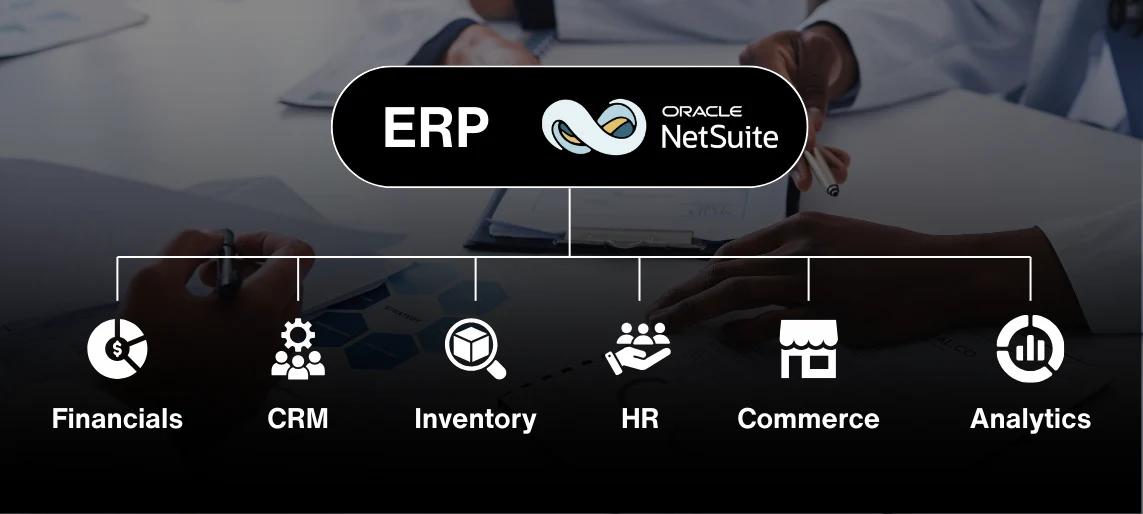
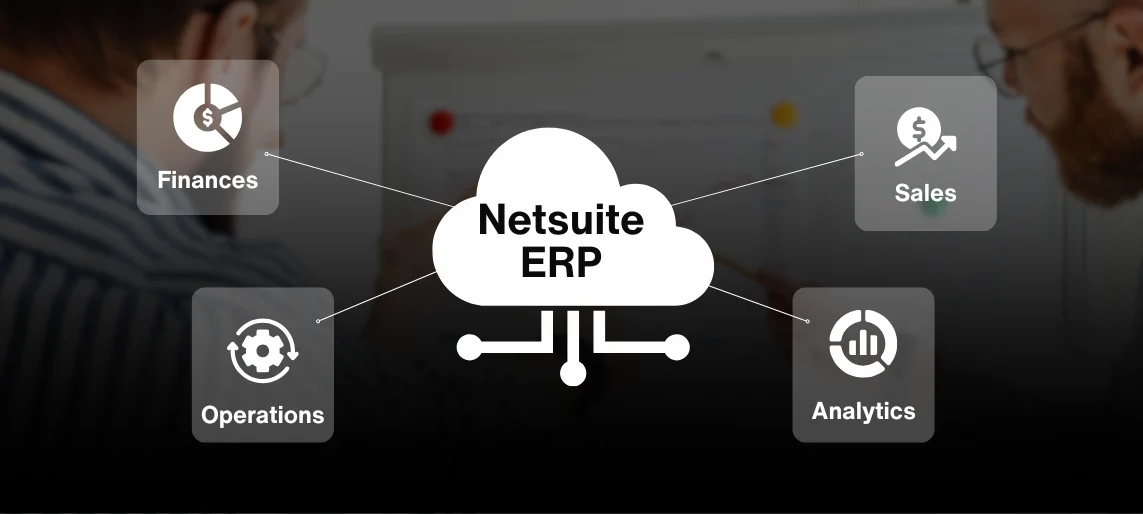
What does NetSuite do well?
NetSuite was built as a cloud-native ERP with flexibility in mind from the start.
Project accounting:
- Track time, expenses, and costs by project
- Bill clients based on time and materials, fixed fee, or milestone
- Manage project profitability in real time
- Handle multiple billing arrangements within the same project
Revenue recognition:
- Automate revenue recognition based on project milestones or percentage of completion
- Handle complex revenue scenarios across multiple projects and clients
- Stay compliant with ASC 606 and other revenue recognition standards
Resource planning:
- Allocate resources across projects
- Track utilization rates by employee or team
- Forecast capacity and identify bottlenecks before they hit
Financial management:
- Multi-entity consolidation for businesses with multiple subsidiaries
- Real-time financial reporting across projects, clients, and entities
- Automated billing and invoicing tied to project delivery
Integration:
- Cloud-based API that connects with CRMs, project management tools, and other systems
- Pre-built connectors for common business platforms
- Easier to integrate than on-premise systems
Where NetSuite excels:
NetSuite works well for businesses that need flexibility, cloud accessibility, and systems that adapt as the business grows. The interface is more intuitive than traditional ERPs, which means faster adoption across teams.
What does SAP do well for enterprise operations?
SAP is built for large, complex enterprises with deep operational requirements.
Depth and breadth:
- Handles virtually any business process you can think of
- Strong in manufacturing, supply chain, and complex logistics
- Massive ecosystem of modules and add-ons
Customization:
- Highly configurable to meet specific business requirements
- Can handle extremely complex financial structures and reporting needs
- Built for organizations with unique processes that don't fit standard workflows
Enterprise scale:
- Proven at Fortune 500 scale across industries
- Strong governance and compliance capabilities
- Advanced reporting and analytics through SAP BW and other tools
Where SAP excels:
SAP works well for very large enterprises with complex, unique requirements that don't fit into standard ERP workflows. If you have thousands of employees, operate in heavily regulated industries, or need deep customization, SAP has the capabilities.
Where does each system struggle?
NetSuite's limitations:
Customization ceiling:
- Advanced financial reporting sometimes requires integrations or third-party tools.
Scale at the very high end:
- Works well up to mid-enterprise scale. At Fortune 500 scale with thousands of users, SAP might handle complexity better.
Industry-specific depth:
- NetSuite is strong for project-based businesses but doesn't have the deep industry modules SAP offers for manufacturing, logistics, or other specialized industries.
SAP's limitations:
Complexity:
- SAP is powerful but complex. Implementation takes longer, costs more, and requires specialized expertise.
- The learning curve is steep. Your team will need significant training to use it effectively.
Cost:
- Licensing, implementation, and ongoing maintenance costs are significantly higher than NetSuite.
- Customization often requires expensive consultants and long timelines.
Cloud transition:
- SAP has been transitioning to cloud (S/4HANA), but many implementations are still on-premise or hybrid, which adds infrastructure complexity.
Overkill for many businesses:
- Unless you're operating at massive scale with highly complex requirements, SAP's capabilities often exceed what most businesses actually need.
How do you decide between NetSuite and SAP?
Start with the problems you're trying to solve and your operational reality.
Choose NetSuite if:
- You have 50-1,000 employees
- You need project accounting, revenue recognition, and resource planning
- You want cloud-based accessibility without managing on-premise infrastructure
- You need to integrate with CRMs, project management tools, and other platforms
- You want faster implementation (months, not years)
- Your processes are relatively standard for project-based or service businesses
- Budget for ERP is significant but not unlimited
Choose SAP if:
- You're operating at Fortune 500 scale (1,000+ employees, complex multi-entity structure)
- Your processes are highly unique and require deep customization
- You operate in heavily regulated industries requiring advanced compliance and governance
- You have IT infrastructure and expertise to manage on-premise or hybrid systems
- Budget allows for multi-million dollar implementation and ongoing customization
- You need SAP's breadth across manufacturing, logistics, or other specialized modules
What does implementation look like for each?
NetSuite implementation
Timeline: 3-9 months depending on complexity
What's involved:
- Data migration from existing systems
- Configuration of chart of accounts, project structures, billing rules
- Integration with CRM, project management, and other tools
- Training for finance, project managers, and billing teams
- Testing and validation before go-live
Where businesses struggle:
- Migrating historical project data cleanly
- Configuring revenue recognition rules correctly
- Training teams to adopt new workflows
- Integrating with existing project management tools
What helps:
- Working with a partner who understands your workflows
- Phased rollout (start with financials, add project accounting, then resource planning)
- Clear data migration strategy before you start
SAP implementation:
Timeline: 12-24+ months for full implementation
What's involved:
- Deep business process mapping and customization
- Significant custom development for unique requirements
- Extensive data migration and validation
- Multi-phase testing cycles
- Comprehensive training programs across the organization
Where businesses struggle:
- Long timelines that extend beyond original estimates
- High costs for consultants and customization
- Complexity that requires ongoing SAP expertise on staff or retainer
- Change management across teams learning a complex system
What helps:
- Executive sponsorship and dedicated project team
- Realistic budget and timeline expectations (double initial estimates)
- Strong implementation partner with SAP experience
What's the real cost difference?
The cost gap between NetSuite and SAP is significant.
NetSuite
- Licensing: $10,000-$100,000+ annually depending on users and modules
- Implementation: $50,000-$300,000 depending on complexity
- Ongoing support and optimization: $20,000-$75,000 annually
SAP
- Licensing: $100,000-$1,000,000+ annually
- Implementation: $500,000-$5,000,000+ depending on scope
- Ongoing support, maintenance, and optimization: $100,000-$500,000+ annually
The ROI calculation is straightforward: if SAP's additional capabilities solve problems worth the extra cost, it's justified. For most businesses, NetSuite delivers the functionality needed at a fraction of the cost.
NetSuite vs SAP feature comparison
You Might Be Wondering
Can you switch from SAP to NetSuite later?
Yes, but it's a significant project. Data migration from SAP to NetSuite is complex and requires careful planning. If you're not sure, it's easier to start with NetSuite and scale than to start with SAP and downsize.
What if you outgrow NetSuite?
NetSuite scales well into mid-enterprise (500-1,000 employees). If you grow beyond that with highly complex requirements, you might eventually need SAP. But most businesses don't hit that ceiling.
How long before you see ROI?
NetSuite typically delivers ROI within 12-24 months through improved billing accuracy, better resource utilization, and faster financial close. SAP's ROI timeline is longer due to higher upfront costs and longer implementation.
Ready to figure out which ERP fits your business?
NetSuite delivers the functionality you need without the complexity and cost of SAP. It handles project accounting, revenue recognition, and resource planning in a cloud-native platform that integrates with your existing tools.
SAP makes sense at Fortune 500 scale with unique requirements that justify the investment. For everyone else, it's more system than you need.
We work with businesses to evaluate which ERP makes sense based on your size, complexity, and growth trajectory. Whether you're implementing NetSuite, optimizing an existing setup, or figuring out if SAP is worth the investment, we help you get the architecture right.
Book a free consultation with PARA to talk through your ERP needs and figure out which platform fits your business.